Why Delaying Roof Replacement in Succasunna, NJ Can Cost You More
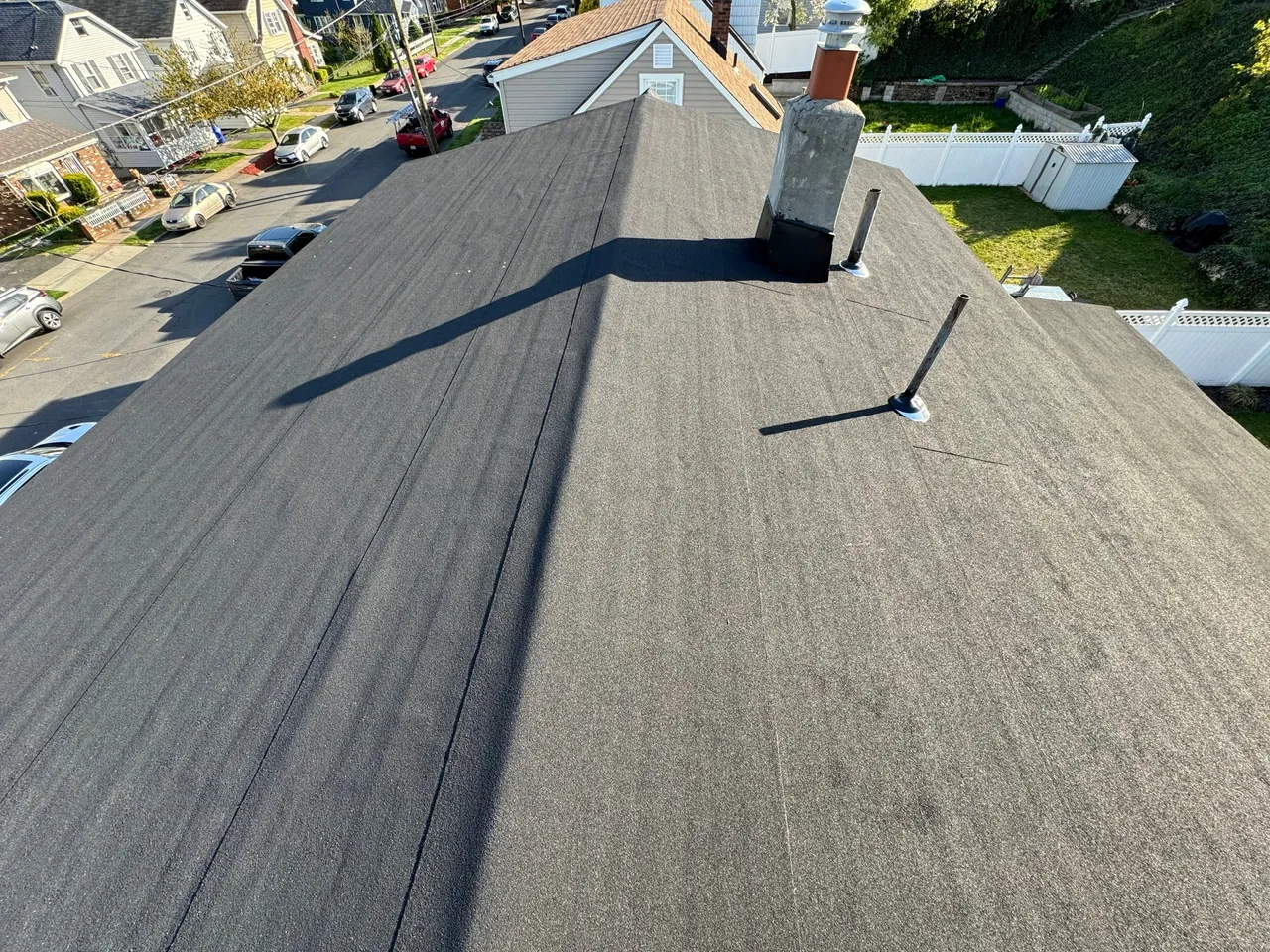
A roof rarely fails all at once. More often, it declines in small, easy-to-ignore ways. A shingle lifts after a windstorm. Granules collect in the gutter. A faint water stain appears on a bedroom ceiling and seems to dry up on its own. Homeowners in Succasunna often live with those warning signs longer than they should, partly because a roof replacement is a major expense and partly because the damage does not always feel urgent.
That delay can get expensive fast.
In Morris County, roofs take a beating. Winter snow loads, freeze-thaw cycles, spring rain, summer humidity, and the occasional hard wind event all work on the same weak spots year after year. When a roof has reached the stage where replacement is the right move, waiting rarely preserves money. It usually shifts the cost into other parts of the house, where repairs are less predictable and more disruptive.
The real problem is not just the shingles on top. It is what happens underneath when aging roofing materials lose their Roof Replacement Succasunna, NJ ability to shed water, vent heat, and protect the structure. Once that process starts, the bill grows in layers.
The first cost is rarely the biggest one
Most homeowners focus on the price of the roof itself. That makes sense. A full replacement is one of the larger exterior projects a home will need. But the number on the roofing proposal is only part of the financial picture.
The more important question is what delay allows to happen while you wait.
An aging roof can leak in ways that are hard to spot from inside the home. Water may enter near flashing, run along roof decking, travel down rafters, and show up far from the original entry point. By the time you see bubbling paint or a stain on drywall, moisture may already have affected insulation, framing, trim, and sometimes electrical components. A repair that could have been limited to roofing materials becomes a multi-trade project involving carpentry, drywall, painting, and mold remediation.
That is where homeowners get blindsided. They expect a roofing invoice and end up paying for interior restoration too.
In my experience, the cost difference between replacing a roof at the right time and replacing it a year or two late is often not in the shingles. It is in the wood replacement, the hidden moisture damage, and the emergency nature of the work. Planned projects are almost always cheaper than reactive ones.
Succasunna homes face local conditions that speed up roof wear
Roof systems age differently depending on the house, the pitch, tree coverage, ventilation, and sun exposure. In Succasunna, a few patterns come up again and again.
Many neighborhoods have mature trees, which are beautiful but hard on roofs. Shade can keep parts of the roof damp longer after rain. Leaves collect in valleys and gutters, holding moisture where it should not sit. Branch rub can wear down shingle surfaces over time, and storm debris can damage vulnerable sections in a single event.
Then there is winter. Snow itself is not always the enemy. Trouble starts when heat escapes from the attic, melts the lower layer of snow, and sends water toward colder eaves where it refreezes. That creates ice dams. Once water backs up under shingles, it can seep into decking and interior wall assemblies. A roof that might survive one more mild season can perform very badly during a rough New Jersey winter.
Summer adds a different kind of strain. Poor attic ventilation can trap heat, baking shingles from below and shortening their useful life. The result is a roof that looks passable from the ground but has become brittle, less flexible, and more likely to fail under stress.
This is why Roof Replacement Succasunna, NJ is not a purely cosmetic decision. Local weather patterns and housing conditions can turn a delayed replacement into a structural problem faster than many owners expect.
Small leaks have a way of becoming expensive repairs
A roof leak is often described as minor until the day it is not.
Take a common scenario. A homeowner notices a small stain near an upstairs bathroom after a heavy rain. It dries out. Nothing drips into a bucket. It seems manageable, so they decide to monitor it. Over the next several months, more storms pass through. Moisture continues to enter, sometimes in tiny amounts. Insulation above the ceiling gets damp and loses effectiveness. The drywall softens. Wood around a vent pipe begins to rot. By the time a roofer removes the shingles, what looked like a localized issue requires deck replacement and interior repair.
This kind of progression is normal. Water does not need a dramatic opening to do damage. Repeated exposure is enough.
Moisture also invites secondary problems. Wet wood can attract insects. Damp insulation can harbor mold growth. Air leaks around compromised roofing components can increase heating and cooling costs. None of those expenses show up in the initial leak, but they become part of the delayed bill.
Homeowners often ask whether they can keep repairing isolated areas instead of replacing the roof. Sometimes they can, and a good contractor should say so when repair is the practical choice. But once a roof has multiple aging points, patching becomes less economical. You pay for repeated service calls, repeated materials, and repeated risk, all while the core system continues to decline.
Insurance may not rescue a delayed roof
A common misunderstanding is that insurance will cover whatever happens if a roof leaks later. That is not how most policies work.
Insurance often covers sudden, accidental damage from a specific covered event, such as wind damage from a storm, depending on the policy. It generally does not cover deterioration from wear, age, neglect, or deferred maintenance. If a roof is clearly at the end of its life and damage results from delay, the homeowner may end up covering the full replacement plus related repairs.
That distinction matters. If a branch punctures a relatively healthy roof during a storm, the claim discussion is one thing. If an insurer sees long-term granule loss, curling shingles, old flashing, and signs of ongoing water intrusion, the conversation changes quickly.
Waiting can also complicate a future claim. When there is documented evidence that a roof was already failing before the loss event, reimbursement may be reduced or denied. Even when a portion is covered, age-based depreciation and deductibles can leave the homeowner with a larger out-of-pocket burden than expected.
Energy waste is a hidden carrying cost
Not every delayed replacement leads to visible leaks right away. Some roofs cost money more quietly.
As roofing materials age, they can lose some of their ability to reflect heat, seal properly, and support balanced ventilation. If the attic is already under-ventilated or insulation has been compromised by past moisture, the house can become harder to keep comfortable. Upstairs rooms run hotter in summer and colder in winter. HVAC equipment cycles more often. Utility bills creep upward, not dramatically in a single month, but enough over time to matter.
This effect is especially noticeable in homes with dark asphalt shingles, limited ridge venting, or aging soffit intake. Homeowners sometimes blame the furnace or air conditioner first. Those systems may indeed need attention, but the roof assembly plays a bigger role in indoor comfort than many people realize.
Replacing the roof at the right time can create an opportunity to improve more than shingles. Better ventilation, proper flashing details, underlayment upgrades, and correction of old problem areas can make the home perform better as a whole.
Delays often increase the scope of replacement
One of the toughest conversations in roofing happens when a homeowner expected a straightforward replacement and learns the job has expanded. That expansion is often tied directly to delay.
When roofers tear off old shingles, they inspect the decking underneath. If the plywood or boards are soft, delaminated, or rotted, they need replacement before the new roof can go on. Flashing around chimneys, skylights, valleys, and wall intersections may also need more extensive work if moisture has been getting in for a long time. In severe cases, fascia, soffits, and even portions of framing need repair.
None of that Roof Replacement Succasunna, NJ is padding the job. It is what proper work requires once hidden damage is exposed.
A roof replaced on time may need only routine decking replacement in a few isolated spots. The same roof, replaced later, may need broad sections of sheathing and carpentry. Material and labor prices for that kind of work are typically much higher than the incremental cost of acting earlier.
The same principle applies to scheduling. If your roof fails during a busy season or after a major storm, you may have fewer contractor options and less negotiating room. Emergency timing rarely favors the homeowner.
The cheapest year to replace a failing roof is usually this year
People often wait because they hope the next season will be financially easier. Sometimes that is reasonable. Budgets matter, and not every aging roof must be replaced immediately. But once a roof has crossed from worn to unreliable, delay becomes a gamble.
Roofing costs rarely trend downward over time. Labor rates rise. Material pricing shifts. Disposal costs increase. Code requirements can add expense. If you postpone a roof that already needs replacement, you are not freezing the price. You are often accepting a higher future project cost while exposing the home to a greater chance of damage in the meantime.
This is one reason the phrase "getting one more year" can be misleading. That extra year is not free. It may come with inflation, emergency repair bills, interior damage, and another winter of stress.
A homeowner in Succasunna might save money by delaying a roof that still has real service life left. That is fair. But delaying a roof that has already begun to fail is different. At that point, the math changes.
What homeowners miss when they judge a roof from the ground
From the driveway, many roofs look fine. That visual impression leads to a lot of procrastination.
The trouble is that critical failures often start in places homeowners do not see well, around pipe boots, chimney flashing, valleys, exposed nail heads, attic penetrations, and transitions where roofs meet walls or dormers. Shingles can also age unevenly. The south-facing slope may be significantly more worn than the shaded side. A roof can look acceptable from one angle and be near the end on another.
Curling edges, bald spots from granule loss, cracked tabs, and soft decking underfoot are stronger indicators than general curb appeal. So is attic evidence. Dark staining on sheathing, compressed or damp insulation, musty odor, and signs of previous leak paths all matter.
That is why inspection quality matters. A careful roof assessment should not be a sales pitch built around fear. It should be a practical evaluation of current condition, likely remaining life, and whether repairs still make economic sense.
Repair versus replacement requires honest judgment
There is a real difference between a roof that needs a targeted repair and one that needs retirement.
A newer roof with storm damage in one section may be a strong repair candidate. A roof with widespread shingle brittleness, recurring leaks, multiple past patches, failing flashing, and poor ventilation usually is not. Spending money on repairs in that second scenario often feels prudent in the moment but costs more over a two- or three-year span.
A reliable contractor should be able to explain that distinction clearly. Not every problem calls for full replacement, and homeowners are right to be cautious. At the same time, chasing low-cost fixes on an exhausted roof often leads to the most expensive path overall.
Here are a few signs that delay is becoming risky:
- recurring leaks in more than one area
- shingles that are curling, cracking, or losing granules heavily
- soft spots in decking or visible sagging
- flashing failures around chimneys, vents, or valleys
- a roof age that is already near or beyond the typical service range for its material
Those signs do not mean every home needs immediate replacement on the spot. They do mean the owner should stop treating the issue as cosmetic and start treating it as a system-level decision.
Timing matters more in New Jersey than many people think
Seasonal timing affects both roof performance and replacement logistics. In northern New Jersey, homeowners who wait until a roof is actively leaking in late fall or winter often lose flexibility. Temporary repairs in cold weather are sometimes possible, but materials do not always seal and perform the same way as they do in milder conditions. Snow cover, ice, and short daylight hours can make troubleshooting harder and delay full replacement.
Spring can be a smart time to assess winter damage, but it is also when many homeowners call at once. By summer, busy contractors may be booked out. If your roof is clearly nearing failure in early autumn, pushing the decision into winter can create a stressful situation quickly.
Good planning changes the experience. Instead of reacting to damage, you choose the contractor carefully, compare scope, ask questions about ventilation and flashing, and schedule the job when conditions are favorable. That control is worth money, even if it does not appear as a line item.
Roof replacement can protect resale value and financing options
An aging roof does not just affect the current owner. It can complicate the next transaction too.
Buyers notice roofs because inspectors do. If a roof is near the end of its life, the issue can trigger price negotiations, seller credits, delayed closings, or financing concerns. Some lenders and insurers become cautious when a roof is clearly worn. Even if the house sells, the roof often comes back as leverage.
Replacing the roof before it becomes a visible liability can preserve negotiating strength. It also allows the homeowner to present the upgrade as a value point rather than a defect to explain away. That matters in competitive markets, where buyers compare not just square footage and finishes, but also the condition of expensive systems they do not want to inherit.
For homeowners planning to stay put, that resale conversation may feel far away. But houses have a way of changing plans. Job transfers, family needs, downsizing, and estate matters can make timing less predictable than expected.
Choosing the right scope, not just the lowest number
When homeowners finally decide to move forward, the temptation is to focus on the cheapest estimate. That can create a different kind of expensive mistake.
Roof replacement proposals vary because scope varies. One contractor may include full underlayment replacement, ice and water protection in vulnerable areas, proper flashing replacement, ventilation improvements, and realistic allowance for damaged decking. Another may quote a thinner scope that looks attractive until add-ons begin.
The lowest initial number is not always the lower final cost.
A solid estimate should explain what is being installed, how penetrations and flashing will be handled, whether ventilation is being addressed, and how deck repairs are managed if needed. It should also reflect the realities of the existing roof, not assume a best-case tear-off.
For Roof Replacement Succasunna, NJ, local knowledge helps. A contractor familiar with area weather, common home styles, and recurring failure points is more likely to identify where a roof needs extra attention. That does not guarantee perfection, but it improves the odds that the replacement solves the problem instead of covering it.
A practical way to decide before the roof decides for you
If you are unsure whether your roof has reached the replacement stage, a calm, structured evaluation is the best next step. Panic helps no one, but delay without information is worse.
A useful decision process usually includes:
- An exterior and attic inspection by a qualified roofing professional
- Clear photos of problem areas, not just verbal claims
- An honest repair-versus-replace recommendation with reasoning
- Discussion of ventilation, flashing, and decking, not shingles alone
- A timeline based on condition, not sales pressure
That kind of assessment gives you options. If the roof truly has another few years with maintenance, you can plan accordingly. If it is already in failure mode, you can act before water and weather make the decision more expensive.
The cost you do not see is often the one that hurts most
Homeowners usually delay replacement to avoid a large immediate expense. That instinct is understandable. But roofs do not pause while budgets catch up. Once a roof enters the stage where replacement is needed, the hidden costs begin accumulating whether you can see them or not.
They show up in wet insulation, rotted decking, stained ceilings, mold concerns, emergency tarping, repeated patch jobs, higher energy use, scheduling pressure, insurance frustrations, and resale complications. They also show up in stress, which is harder to price but easy to recognize when rain is in the forecast and you no longer trust the roof over your head.
A roof is one of the few parts of a house that protects every room below it. When it starts to fail, the risk is not isolated. That is why waiting too long usually costs more than replacing it at the right moment.
For homeowners in Succasunna, the smartest time to address an aging roof is often before it becomes a crisis. Not because every old roof needs immediate replacement, but because once the signs are clear, delay stops being caution and starts becoming expense.
Royalty Exteriors
151 NJ-10 Suite 103A, Succasunna, NJ 07876, United States
+1 973-333-7234
FAQ About Roof Replacement Succasunna, NJ
What are signs a roof needs replacing?
Widespread shingle deterioration, repeated leaks, or damaged decking can point to a larger problem. A roofer can inspect the roof covering, flashing, and deck to determine whether the damage is localized or whether replacement makes more sense.
How long does it take to reroof a 2000 square foot house?
Royalty Exteriors estimates one to three days for many single-family roof replacements. A house’s floor area does not tell you the actual roof area. Pitch, roof features, weather, and any decking repairs can change the schedule.
How long should a roof last in NJ?
There is no single lifespan for every roof. Material, installation quality, attic ventilation, maintenance, and exposure to storms all affect how long a roof remains serviceable. An inspection can help you assess its condition and plan for replacement.