The Connection Between Roof Repairs and Energy Efficiency
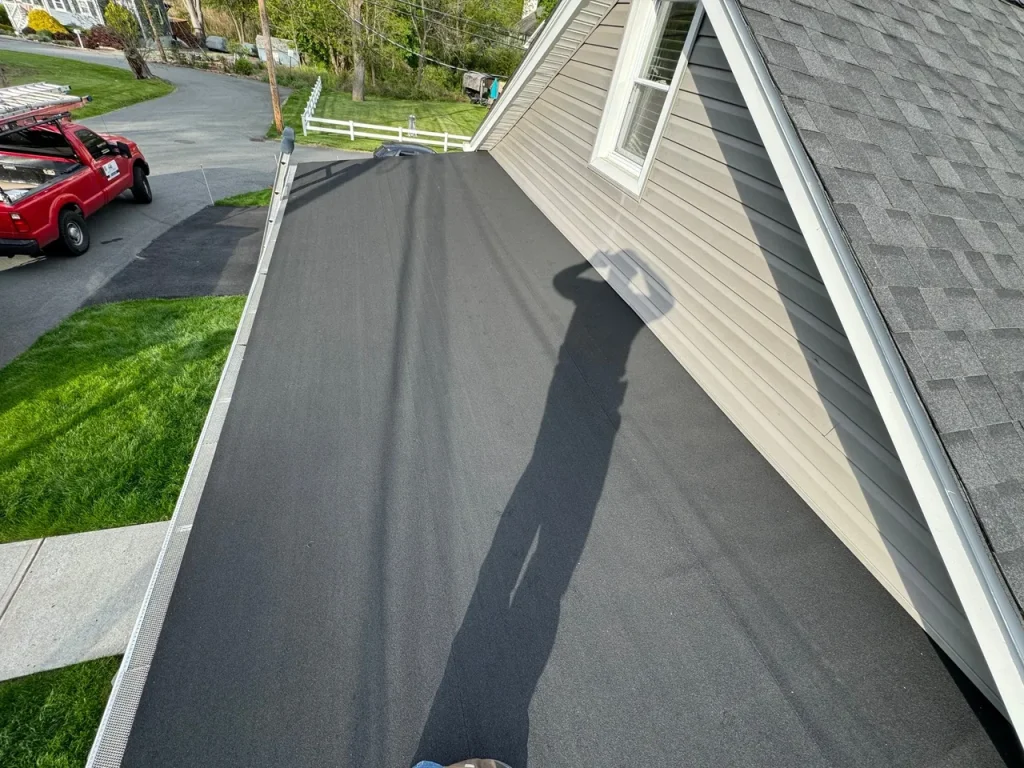
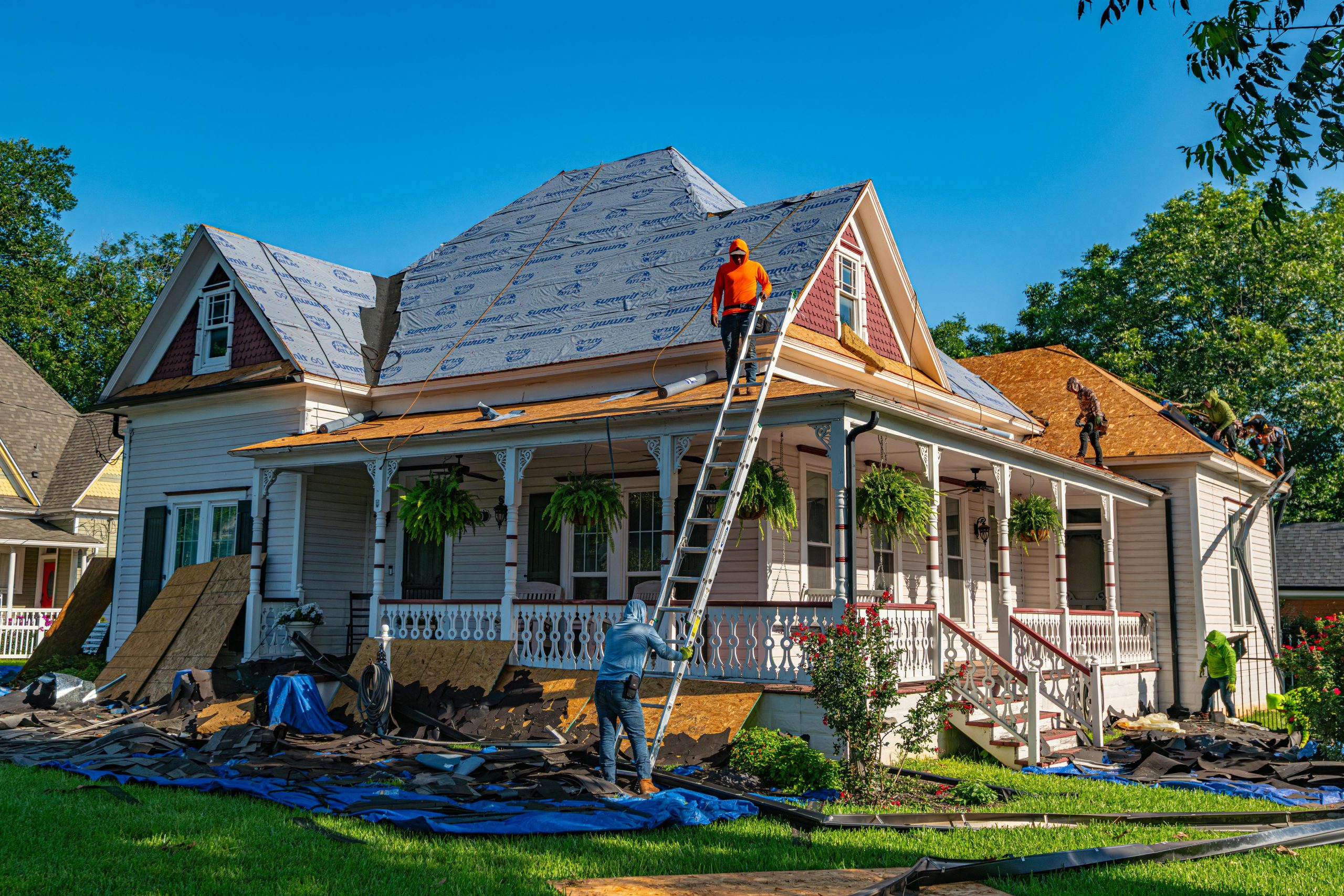
A roof does far more than keep rain out. It regulates heat flow, protects insulation, manages moisture, and helps the entire building envelope perform the way it was designed to perform. When any part of that system begins to fail, energy efficiency usually suffers long before the leak becomes obvious inside the house.
That is one reason roof work is often misunderstood. Many homeowners think of Roof Repairs as a purely defensive expense, something done to stop water stains or replace missing shingles after a storm. In practice, timely repairs can lower heating and cooling demand, reduce drafts, preserve insulation performance, and even extend the life of HVAC equipment. The connection is not abstract. It shows up in utility bills, comfort levels, indoor humidity, and the amount of strain placed on the rest of the home.
Over the years, one pattern has repeated itself in both older homes and newer builds. A house can have efficient windows, a decent furnace, and programmable thermostats, yet still struggle with high energy use because the roof assembly is underperforming. Sometimes the issue is obvious, such as storm damage. More often, it is subtle: a lifted shingle, deteriorated flashing, blocked ventilation, wet attic insulation, or a small opening around a roof penetration. Each problem seems minor on its own. Together, they create a steady energy penalty.
The roof as part of the building envelope
People often talk about walls, windows, and doors when discussing insulation and air sealing, but the roof deserves equal attention. Heat rises, and the top of the house is where a great deal of thermal exchange occurs. In summer, the roof absorbs solar radiation and transfers heat into the attic or upper floors. In winter, warm interior air tries to escape upward. If the roof system is compromised, the building has to work harder in both directions.
A well-performing roof assembly includes more than shingles or tiles. It also includes underlayment, decking, flashing, ventilation pathways, attic insulation, air sealing around penetrations, and moisture management details. When one part slips out of balance, the others tend to follow. A small leak can dampen insulation. Damp insulation loses effectiveness. Reduced insulation performance allows greater heat transfer. Greater heat transfer forces the HVAC system to run longer. What started as a repair issue becomes an energy issue.
This is why experienced contractors often look beyond the surface when diagnosing a roof problem. A discolored ceiling patch might be the visible symptom, but the more expensive damage may be hidden above it in the attic. If the insulation is compressed, moldy, or wet, the thermal resistance can drop sharply. That translates into more heat gain in July and more heat loss in January.
How minor roof damage drives up energy use
The clearest link between roof condition and efficiency is uncontrolled air and moisture movement. Homes lose efficiency when outside air enters where it should not, and when conditioned indoor air escapes through gaps at the top of the structure.
A few common repair issues account for a surprising amount of waste. Cracked flashing around chimneys and vent pipes can allow water intrusion and air leakage. Missing or curling shingles can expose underlayment and decking to weather, increasing the risk of moisture infiltration. Openings around skylights, plumbing stacks, or exhaust vents can create direct pathways for unwanted airflow. Damaged soffits or ridge vents can upset attic ventilation and trap excess heat.
In a hot climate, that trapped attic heat can be severe. On a sunny afternoon, attic temperatures can climb well above outdoor air temperature. If ventilation is restricted or insulation is compromised, the rooms below absorb more of that heat, especially on upper floors. Homeowners often notice this before they notice any visible roof issue. They call because one bedroom is always warmer than the rest of the house, or because the AC runs late into the evening. Sometimes the fix begins with Roof Repairs, not HVAC replacement.
In cold weather, the effect is different but just as costly. Warm indoor air leaking into the attic can create uneven roof temperatures. Snow melts higher up on the roof, then refreezes at the colder eaves, forming ice dams. Those ice dams can force water back under shingles, which leads to further roof damage and soaked insulation. The house then loses even more heat. By the time the problem becomes visible, the homeowner may already have spent multiple winters paying for energy that never stayed indoors.
Why wet insulation is one of the costliest hidden problems
Dry insulation does its job by trapping air and slowing heat transfer. Wet insulation behaves very differently. Its thermal performance drops, sometimes significantly, depending on the material and the extent of moisture. Once that happens, the roof and attic stop acting like a protective lid over the house.
This matters because roof leaks are not always dramatic. A slow drip around flashing or a tiny opening near a vent collar may not produce a ceiling stain for months. Instead, the moisture spreads into nearby insulation and sheathing. Fiberglass batts can slump or compress. Cellulose can mat down. Even rigid insulation systems can lose performance if the surrounding assembly stays damp and air leakage increases.
One homeowner I spoke with after a repair project had been blaming her aging air conditioner for two summers of rising bills. The unit was not new, but it was not the main problem either. A small leak around a roof penetration had soaked part of the attic insulation above the second floor. Once the leak was repaired and the damaged insulation was replaced, the upstairs cooled faster and the runtime dropped noticeably. The equipment had been doing the work of compensating for a roof failure.
That kind of case is common enough that any serious energy assessment should include the roof and attic, not just appliances and windows.
Ventilation and repair work are closely tied
Roof ventilation is easy to overlook because most of it is out of sight. Yet it has a direct effect on energy performance and roof longevity. Proper ventilation helps release excess heat and moisture from the attic. When vents are blocked, damaged, or poorly balanced, the attic can become a hostile environment for both materials and comfort.
A healthy system usually depends on intake and exhaust working together, often through soffit vents and ridge vents. If one side is compromised, airflow suffers. I have seen homes with new shingles installed over old ventilation problems, only to experience the same comfort complaints afterward. The roof looked better, but the system underneath had not been corrected.
Repair work often reveals these issues. During a routine patch or section replacement, a contractor may find clogged soffit vents packed with insulation, poorly cut ridge vent openings, or evidence that an old repair sealed off airflow that the attic needed. Correcting those defects can improve indoor comfort almost immediately, especially in top-floor rooms.
There is also a durability angle. Excess attic moisture can condense on the underside of the roof deck during colder months. Over time, that can contribute to wood deterioration, mold growth, and reduced insulation effectiveness. Energy efficiency and material preservation are tied together here. Keeping the roof assembly dry and ventilated protects both.
Flashing, penetrations, and the places efficiency quietly leaks away
Most roofs do not fail in the middle of a shingle field first. They fail at transitions and interruptions. Chimneys, skylights, valleys, dormers, plumbing vents, furnace flues, and roof to wall intersections all create points where workmanship matters. These are also the places where energy losses often begin.
Flashing is the unsung detail that makes these transitions work. When flashing rusts, separates, or was never installed correctly, water gets in and air moves more freely than it should. A roof can appear mostly intact from the street and still leak energy at half a dozen small transition points.
This is one reason piecemeal DIY repairs sometimes disappoint homeowners. A patch may stop visible water for the moment, but if it ignores adjacent flashing, underlayment, or sealing details, the thermal and moisture problem continues. Short-term fixes have their place after a storm or during an emergency, but they should not be mistaken for durable solutions.
The best repair strategies address the full detail, not just the symptom. Reworking flashing around a chimney, resealing penetrations correctly, and replacing surrounding damaged materials may cost more upfront than a tube of sealant, but the longer-term savings come from keeping insulation dry, stopping air leakage, and preventing repeated service calls.
The attic tells the real story
When trying to understand whether Roof Repairs could improve energy efficiency, the attic is often the most honest place to look. It reveals heat patterns, air leaks, moisture issues, and signs of deferred maintenance that are not obvious from the ground.
An attic inspection might uncover daylight around penetrations, darkened roof decking from recurring moisture, insulation gaps near eaves, rusted fasteners, or evidence of past leaks that were never fully addressed. It may also show whether bathroom fans are venting properly to the exterior instead of dumping humid air into the attic, which is more common than many homeowners realize.
These clues help distinguish between a roofing problem, an insulation problem, and an air sealing problem. In many homes, the answer is some combination of all three. That is why a narrow approach can miss the mark. If you replace insulation without fixing the roof leak, the new insulation is at risk. If you repair the leak but ignore major air leakage pathways, comfort may improve Roof Repairs only slightly. Good judgment comes from seeing how the pieces interact.
Repair now or replace later, the efficiency trade-off
Not every roof problem calls for full replacement. In fact, many energy losses can be reduced meaningfully through targeted repairs, especially when the main roof covering still has useful life left. The challenge is deciding when repair is enough and when the assembly is too far gone to keep patching economically.
A younger roof with localized storm damage, failed flashing, or isolated leak points is often a strong candidate for repair. The energy gains can be real if those repairs stop moisture intrusion and improve the integrity of the envelope. On the other hand, a roof near the end of its life may continue to create small failures even after one section is fixed. In that case, repeated repairs can become a slow drain on both finances and efficiency.
There is no universal age cutoff that settles the question. Material type, installation quality, climate, sun exposure, attic conditions, and past maintenance all influence the answer. Two roofs installed in the same year can age very differently. A shaded roof in a mild climate may hold up far longer than a similar roof under intense summer heat and seasonal storms.
A practical way to frame the decision is to ask whether the repair restores system performance or merely delays the next failure. If it restores performance, it may be money well spent. If it simply buys a few months while underlying problems remain, replacement may be the more efficient path.
What homeowners often notice before they suspect the roof
Energy inefficiency caused by roofing problems rarely announces itself with a single dramatic sign. More often, homeowners live with the symptoms for a while and attribute them to aging equipment or weather.
Here are some of the patterns that often point back to the roof or attic:
- Upstairs rooms stay hotter or colder than the rest of the house.
- Utility bills rise without a clear change in occupancy or thermostat settings.
- The HVAC system runs longer, especially during peak summer or winter periods.
- Indoor humidity feels harder to control.
- There are musty odors, ceiling stains, or recurring condensation issues near the top floor.
None of these symptoms proves the roof is at fault, but together they justify a closer look. The key is not to treat comfort complaints as purely mechanical problems. Sometimes the furnace or air conditioner is responding to a building envelope issue above it.
Material choices also affect efficiency after repairs
When repairs involve replacing sections of roofing, material compatibility and reflective properties can influence future energy performance. That does not mean every home needs a highly reflective roof, but it does mean repair decisions should take climate and roof design into account.
In warmer regions, lighter-colored or more reflective materials can reduce solar heat absorption. On low-slope commercial roofs, reflective membranes have long been part of energy strategy. On residential homes with steep slopes, the effect depends on attic insulation, ventilation, orientation, and local weather patterns, but it can still matter.
In colder climates, the calculation is less straightforward. A roof that reflects more heat in winter does not necessarily create a net disadvantage, because insulation and air sealing generally have a greater impact on seasonal energy use than solar gain through the roof. Still, material selection should match the broader performance goals of the home, not just the appearance of the patch.
This is where experience matters. A repair should not create mismatched drainage, ventilation imbalances, or compatibility issues between old and new materials. Good roofing work respects the assembly as a whole.
The economics are often better than people expect
Homeowners sometimes postpone Roof Repairs because they think the only payoff is avoiding a future leak. The energy side of the equation changes that math. A repair that preserves insulation, reduces air leakage, and prevents moisture damage can deliver savings month after month, especially in climates with long cooling or heating seasons.
The exact dollar figure varies too much from house to house to promise a fixed return, and anyone who gives a precise savings number without seeing the building should be treated cautiously. Still, it is reasonable to expect noticeable improvements in comfort and utility use when major leakage, wet insulation, or ventilation defects are corrected. The bigger the underlying problem, the more visible the difference tends to be.
There is also the avoided-cost factor. Letting a roof problem continue can lead to deck repairs, mold remediation, insulation replacement, damaged drywall, and premature HVAC wear. Energy efficiency is only one piece of the financial picture, but it is often the piece that keeps costing money every month while the visible damage remains hidden.
What a smart repair process looks like
The most effective roofing work starts with diagnosis, not just patching. That means understanding how water, air, and heat are moving through the assembly before deciding where to spend money.
A strong repair process usually includes these elements:
- Inspection of the roof surface, flashing, penetrations, and drainage paths.
- Evaluation of the attic for moisture, ventilation, and insulation condition.
- Clear distinction between urgent repairs and performance upgrades.
- Use of materials compatible with the existing roof system.
- Attention to related details such as exhaust venting and air sealing around penetrations.
That approach prevents the common mistake of solving one symptom while leaving the root cause untouched. It also helps homeowners prioritize work. Sometimes the most important energy improvement is not a flashy upgrade. It is sealing and repairing the top of the house so the insulation can do its job again.
Why the best energy upgrade may be the repair nobody sees
Energy conversations tend to focus on visible upgrades: new windows, smart thermostats, high-efficiency equipment, solar panels. Those can all have value. Yet some of the Roof Repairs highest-leverage work happens in places guests will never see. A properly repaired roof, sound flashing, dry insulation, and balanced attic ventilation do not make for dramatic photos, but they change how the house behaves every day.
That is the real connection between roof condition and energy performance. Efficiency is not just about adding better technology. It is about preserving the integrity of the systems that separate indoor space from outdoor conditions. When the roof is compromised, the whole house pays for it in comfort, durability, and energy use.
Well-timed Roof Repairs protect more than shingles. They protect the thermal boundary of the home, the performance of the insulation beneath it, and the equipment trying to keep indoor conditions stable. For homeowners looking to reduce waste and improve comfort, the roof deserves a place near the top of the list, not as an afterthought, but as a core part of how the house uses energy.
Royalty Exteriors
151 NJ-10 Suite 103A
Succasunna, NJ 07876, United States
+1 973-333-7234
FAQ About Roof Repairs
Can you fix a roof leak without replacing the whole roof in Succasunna,NJ?
Often, a localized leak can be repaired without replacing the entire roof, depending on its cause and the condition of the surrounding materials. Damaged shingles, flashing, or a roof penetration may need targeted work. Royalty Exteriors offers roof repairs for leaks, storm damage, and shingle issues. An inspection is needed to determine the appropriate scope.
What is considered a minor roof leak?
A leak may be considered minor when the damage is limited to a small area and the surrounding roofing remains sound. A small ceiling stain alone does not establish the extent of the problem because water can travel before becoming visible. Have the source and any concealed damage assessed promptly.
Is it better to repair or replace a leaky roof?
The decision depends on the roof's age, overall condition, leak source, extent of damage, and history of previous repairs. A localized problem on an otherwise serviceable roof may be suitable for repair. Widespread deterioration or recurring leaks may justify considering replacement. Ask for an inspection and a written explanation of the recommended work before deciding.