Roof Replacement Succasunna, NJ: Matching Roofing Materials to Home Style
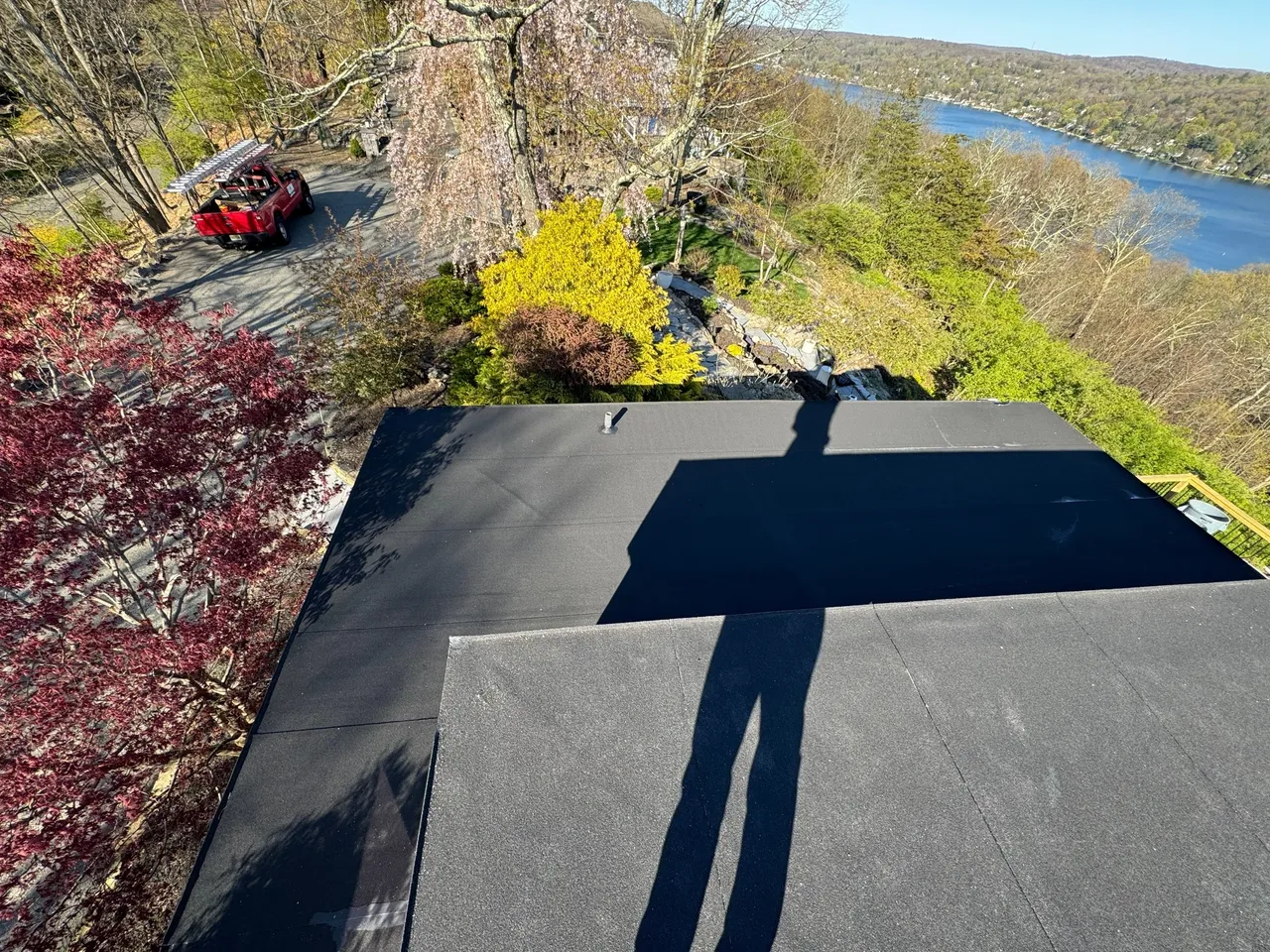
A roof replacement changes more than the weather barrier over your head. It changes the way a house sits on the street, how proportions read from the curb, and how well the exterior materials work together over the next twenty to thirty years. In a place like Succasunna, where you see a mix of colonials, ranch homes, split-levels, capes, and updated contemporary designs, the best roofing choice is rarely just about color. It is about fit.
That matters because the roof often takes up a huge share of what you see from the front yard. On some homes, especially low-slung ranches and split-levels, the roof can visually dominate the façade. On taller colonials, the roofline may feel less prominent, but the wrong material or color still throws the whole house off balance. A good match makes the house feel settled, intentional, and valuable. A poor match can make a perfectly solid home look awkward or cheaply renovated.
When homeowners start thinking about roof replacement in Succasunna, NJ, they usually begin with practical concerns. Leaks, missing shingles, aging flashing, dark streaks, storm damage, rising energy bills. Those are real issues, and they deserve attention first. But once the decision to replace is on the table, style should not be treated as an afterthought. It should be part of the same conversation as lifespan, ventilation, ice dam resistance, and installation quality.
Why home style should guide material choice
Not every roof looks right on every house, even when the product itself is high quality. A thick laminated architectural shingle can look excellent on a center hall colonial with broad front symmetry and a formal entry. Put that same shingle in the wrong color on a modest cape with smaller-scale windows and lighter trim, and it can feel heavy. A standing seam metal roof may sharpen up a modern farmhouse or a contemporary home beautifully. Install it on a traditional suburban colonial without considering the rest of the exterior palette, and the look can turn cold or out of place.
The roof needs to relate to the siding, masonry, shutters, trim color, and even the lot setting. Homes surrounded by mature trees often benefit from colors with tonal variation because they hide debris and blend better with the landscape. Homes on open, sunny lots can handle cleaner, more defined tones. Brick homes call for a different eye than vinyl-sided homes. Stone veneers pull differently than painted clapboard. Roofing does not happen in isolation.
This is where experience matters. A sample board held in bright showroom lighting tells you almost nothing about how a roof will read from the street at 8:00 a.m. In February, or after a summer rain, or against cream trim versus bright white trim. The right choice usually comes from looking at the entire envelope of the house, then narrowing down materials that perform well in North Jersey conditions.
The Succasunna factor: climate, neighborhood, and resale
Succasunna roofs have to deal with freeze-thaw cycles, snow load, wind-driven rain, summer humidity, and the occasional harsh storm. That means looks matter, but durability and detailing matter just as much. A beautiful Roof Replacement Succasunna, NJ roof installed without attention to ventilation, underlayment, flashing transitions, and ice-and-water protection will disappoint fast.
Neighborhood context also matters more than many homeowners expect. That does not mean every house should look the same. It means your roofing choice should feel appropriate to the area. If most nearby homes have dimensional asphalt shingles in neutral earth tones, a bright synthetic slate in a dramatic color may stand out for the wrong reason. On the other hand, in a neighborhood with varied architecture and larger lots, there is often more room to make a stronger design statement.
Resale plays into this too. Buyers notice roofs quickly. They may not know the technical difference between a Class 3 and Class 4 impact rating, but they know when a roof looks fresh, proportionate, and expensive in the right way. A roof that complements the home style can quietly lift perceived value before a buyer ever walks inside.
Asphalt shingles and why they remain the default for many homes
For a large number of homes, architectural asphalt shingles are still the most sensible choice. They are cost-effective, widely available, easier to repair than some premium systems, and visually flexible enough to work with many house styles in Succasunna. The key is knowing which shingle profile and blend to use.
On a colonial, a medium-to-dark architectural shingle in charcoal, weathered wood, driftwood, or a muted brown-gray blend often gives the house enough definition without overwhelming the symmetry. Colonials tend to benefit from disciplined, classic color selections. Highly variegated shingles can look too busy if the façade already includes shutters, brick steps, and contrasting trim.
On ranch homes, the roof carries more visual weight because the house is lower and broader. That usually means color choice matters even more. A very dark roof can look handsome, but it can also make the home feel squat if the siding is dark as well. Mid-tone grays and brown blends often keep the profile balanced. On wide ranches with brick fronts, warmer blends can tie in beautifully with the masonry.
Split-level homes are a little trickier. Their layered rooflines and mixed façade materials can either benefit from contrast or be harmed by it. A split-level with light siding and dark shutters often works well with a deep charcoal roof that ties the trim together. But if the house already has strong visual movement, a calmer roof blend may be smarter. Too much pattern on the roof can make the whole exterior feel restless.
One common mistake with asphalt shingles is choosing based on a tiny swatch. Roofing granule blends are designed to read at scale. A shingle that looks “plain” in hand often looks rich and dimensional once installed across a full roof plane. A shingle that looks dramatic in the sample may become distracting on the house.
When metal roofing makes sense, aesthetically and practically
Metal roofing has become more popular, and for good reason. It sheds snow well, can last a long time when properly installed, and offers a crisp, tailored appearance that works beautifully on certain homes. But metal is not a universal upgrade. It is a style-specific choice.
Standing seam metal tends to look best where the home already has clean lines, strong geometry, or a simpler exterior palette. Contemporary homes, renovated farmhouses, and some capes with minimalist trim can wear metal extremely well. The long vertical lines of the panels create order and visual height. On the right home, the result is sharp and refined.
On more traditional suburban houses, the outcome depends on restraint. A full standing seam roof on a classic colonial can work, but it needs careful coordination with siding, trim, and gutter profiles. Sometimes the better route is a metal accent roof over a porch, bay, or entry canopy while keeping the main roof in shingles. That gives the house texture and character without pushing it into a style that does not fit.
Color matters enormously with metal. Matte black and dark bronze are popular because they complement many exteriors and avoid the overly bright, agricultural look some homeowners want to avoid. Lighter metallic finishes can be striking, but they are much less forgiving and need a very specific design context.
There is also the practical side. Metal roofing requires skilled installation and proper detailing around valleys, penetrations, chimneys, and transitions. It is generally more expensive up front than asphalt. On a straightforward roof, that premium can feel justified. On a chopped-up roof with multiple dormers and complex angles, labor and trim details can push the budget quickly.
Slate, synthetic slate, and homes that can carry the look
Natural slate is beautiful. It has depth, gravitas, and a permanence that few materials can match. It also has real structural and budget implications. Many suburban homes are not framed with true slate loads in mind, especially if the original roof was asphalt. That does not make slate impossible, but it does mean the conversation has to include structure, not just style.
Where slate shines is on homes with enough architectural presence to support it. Large colonials, stone-front houses, and homes with traditional detailing often benefit from the texture and authority slate brings. It can elevate a house dramatically, especially when paired with masonry and understated trim colors.
Synthetic slate is often the more realistic option for homeowners who love the look but do not want the weight, cost, or fragility concerns of natural slate. Some synthetic products have come a long way visually. Others still look too uniform or plastic from the curb. This is one category where seeing full-size installed examples matters far more than reviewing brochure photos.
Not every home should wear a slate look. On a basic ranch or a modest split-level, synthetic slate can sometimes feel like over-dressing the architecture. That does not mean it never works. It means the rest of the house has to support the material. If the siding, windows, and trim remain plain builder-grade elements, a high-style roof can feel disconnected from everything below it.
Cedar shakes and cedar-look materials
Cedar has a warmth that is hard to imitate. It softens hard lines, adds texture, and gives homes an established, organic character. In wooded settings, cedar or cedar-look materials can feel especially natural. Certain capes, cottages, and shingle-style inspired homes benefit a great deal from that kind of roof texture.
The challenge is maintenance and longevity. Real cedar demands a homeowner who understands what it is, what it is not, and how it ages. In humid conditions or shaded lots, moss, algae, and moisture retention become serious considerations. Fire resistance and local code considerations may also shape what is possible.
That is why many homeowners explore synthetic cedar-look products instead. The better ones can provide some of the visual depth without the same upkeep demands. Even so, they are not automatically right for every house. Cedar aesthetics suit homes with a softer, more natural exterior language. Put them on a sharply modern façade and the result can feel confused.
Matching materials to common home styles in Succasunna
There is no formula that covers every house, but some patterns hold up over time. When homeowners ask what usually works, I tend to boil it down to a few dependable pairings:
- Colonials usually look strongest with architectural shingles in restrained gray, charcoal, or weathered wood tones, and occasionally with slate or synthetic slate if the house has enough architectural weight.
- Ranch homes often benefit from dimensional asphalt in mid-tone blends that do not make the structure feel too flat or too dark.
- Split-levels need roofing that calms the façade rather than adding visual clutter, which usually means cleaner blends and careful color coordination.
- Capes can handle more charm and texture, including cedar-look options, provided the siding and trim support that story.
- Contemporary or modernized homes often pair well with standing seam metal or very crisp, low-contrast shingle palettes.
Those are tendencies, not rules. A painted brick ranch on a prominent lot may handle a bolder roof than expected. A colonial with extensive stonework might call for more texture overhead. Good exterior design is about reading the whole composition.
Color is where many roof replacements go wrong
Most bad roof choices are not bad because the material itself is poor. They are bad because the color was selected in isolation. Homeowners often focus on whether they “like” a shingle color rather than whether it belongs on their house.
A roof color should relate first to fixed elements. Brick, stone, chimney masonry, permanent walkways, and retaining walls matter more than the latest siding color trend, because fixed elements are expensive to change. If the front of the house has red-brown brick, a cool blue-gray roof may create tension that never settles. A warmer charcoal or weathered wood blend usually makes more sense. On homes with gray stone and white trim, cooler neutrals often feel cleaner and more coherent.
Sun exposure also changes perception. Dark roofs can look elegant and crisp, but they absorb more heat. In our region, attic ventilation and insulation do plenty of the heavy lifting there, yet the visual effect still matters. On a small house, a very dark roof can make the roof mass feel heavier. On a larger house, that same dark color can add welcome definition.
Streaking and debris visibility deserve a practical mention. Deep black roofs can show pollen, dust, and organic debris more readily in certain settings. Very light roofs can show staining differently. Multi-tone blends often hide everyday grime better than solid-looking colors.
Roof pitch changes everything
Steep roofs and low-slope roofs do not show materials the same way. On a steep colonial or cape, the roof is highly visible from the street, so shadow lines, granule blend, and shingle profile all become more important. On a lower-pitched ranch, what you notice is often the edge line and overall color mass rather than the fine texture.
This is why a material that looks rich and textured on one house can look underwhelming on another. Roof pitch affects shadow, scale, and how much of the roof you actually see. It also affects performance details. Lower slopes may require more careful product selection and underlayment planning, especially in areas prone to ice backup or wind-driven rain.
A house with multiple roof planes adds another layer. Complex roofs can make heavily variegated materials feel busy. Simpler materials often work better because the geometry already provides enough visual interest.
Ventilation, flashing, and the details buyers never notice until they fail
A roof replacement is not just shingles, metal, or slate. It is also ridge vent strategy, intake ventilation, flashing at wall intersections, chimney cricket design where needed, pipe boot quality, valley treatment, and underlayment. These are the components that separate a roof that merely looks good on installation day from one that performs well ten winters later.
In Succasunna, ice-and-water protection at eaves, valleys, and vulnerable transitions is especially important. Snow does not need to be dramatic to cause trouble. A modest freeze-thaw cycle combined with marginal ventilation and poor edge detailing can create water backup. When homeowners compare roof proposals, they often focus on visible materials and warranty language. The less glamorous details deserve equal attention.
This is where the cheapest bid can become expensive. Two roofs may appear similar from the street, yet one may include thoughtful flashing replacement, proper deck inspection, balanced ventilation, and clean chimney tie-ins while the other relies on shortcuts. You rarely see the difference right away. You feel it later.
Signs the current roof style is working against the house
Sometimes the existing roof has always looked wrong, even if the homeowner could not put a finger on why. A replacement is the chance to correct that. A few clues usually show up when the old roof was not a great style match:
- The roof color fights the masonry or makes the trim look dingy.
- The shingle blend is so busy that it distracts from the home’s lines.
- The material feels too heavy or too lightweight for the scale of the house.
- The roof makes the house look dated, even after siding, windows, or paint have been updated.
- From the curb, your eye goes straight to the roof for the wrong reasons.
When that happens, homeowners often tell me the house somehow looks “off,” even though they cannot identify a single failed component. Usually, it is a composition problem. The new roof is an opportunity to restore balance.
Budget without losing the design plot
Every homeowner has a budget. The trick is spending where it matters most. If a premium material strains the budget so much that critical ventilation, flashing, or gutter work gets cut back, the money is being allocated poorly. It is better to install a high-quality architectural shingle system well than to force a prestige material into a project that cannot support it properly.
That said, there are moments when stretching a bit makes sense. If the house has strong architecture and a long ownership horizon, upgrading from basic three-tab shingles, where still available, to a better laminated shingle usually pays back in both appearance and durability. On the right home, a synthetic slate or standing seam metal roof may also be justified if the rest of the exterior already supports that quality level.
A practical approach is to decide first on the visual direction that suits the house, then compare realistic options inside that lane. If the home calls for classic understatement, there may be excellent asphalt choices that achieve the look beautifully. If the architecture truly invites a more distinctive roof, then higher-tier materials become easier to justify.
How to make the final decision without second-guessing it
The best roof decisions usually come from narrowing choices, not multiplying them. Looking at fifty shingle colors creates confusion. Looking at three strong candidates against your actual siding, brick, trim, and landscape tells you far more.
Ask to see full-size samples outside. View them morning and late afternoon if possible. Stand in the street, not just beside the house. Think about your home in winter when trees are bare, and in summer when everything is green. If you plan to repaint trim or replace siding soon, factor that in now. If those upgrades are years away, choose for the house you actually have, not the house you may eventually create.
Roof Replacement Succasunna, NJA smart contractor or consultant should be able to explain not only what product they recommend, but why it suits the style of your specific house in Succasunna. That conversation should include material weight, color temperature, roof complexity, neighborhood context, and maintenance expectations. If all you hear is “this one is popular,” that is not enough.
Roof replacement in Succasunna, NJ is a functional project, but it is also a design decision with long-term consequences. The right material does more than protect the house. It clarifies the architecture, supports resale, and makes everything below it look more finished. When the material, color, and home style align, the result feels effortless. That is usually the sign the choice was right.
Royalty Exteriors
151 NJ-10 Suite 103A, Succasunna, NJ 07876, United States
+1 973-333-7234
FAQ About Roof Replacement Succasunna, NJ
What are signs a roof needs replacing?
Widespread shingle deterioration, repeated leaks, or damaged decking can point to a larger problem. A roofer can inspect the roof covering, flashing, and deck to determine whether the damage is localized or whether replacement makes more sense.
How long does it take to reroof a 2000 square foot house?
Royalty Exteriors estimates one to three days for many single-family roof replacements. A house’s floor area does not tell you the actual roof area. Pitch, roof features, weather, and any decking repairs can change the schedule.
How long should a roof last in NJ?
There is no single lifespan for every roof. Material, installation quality, attic ventilation, maintenance, and exposure to storms all affect how long a roof remains serviceable. An inspection can help you assess its condition and plan for replacement.