Roof Repairs for Cracked Tiles and Broken Shingles
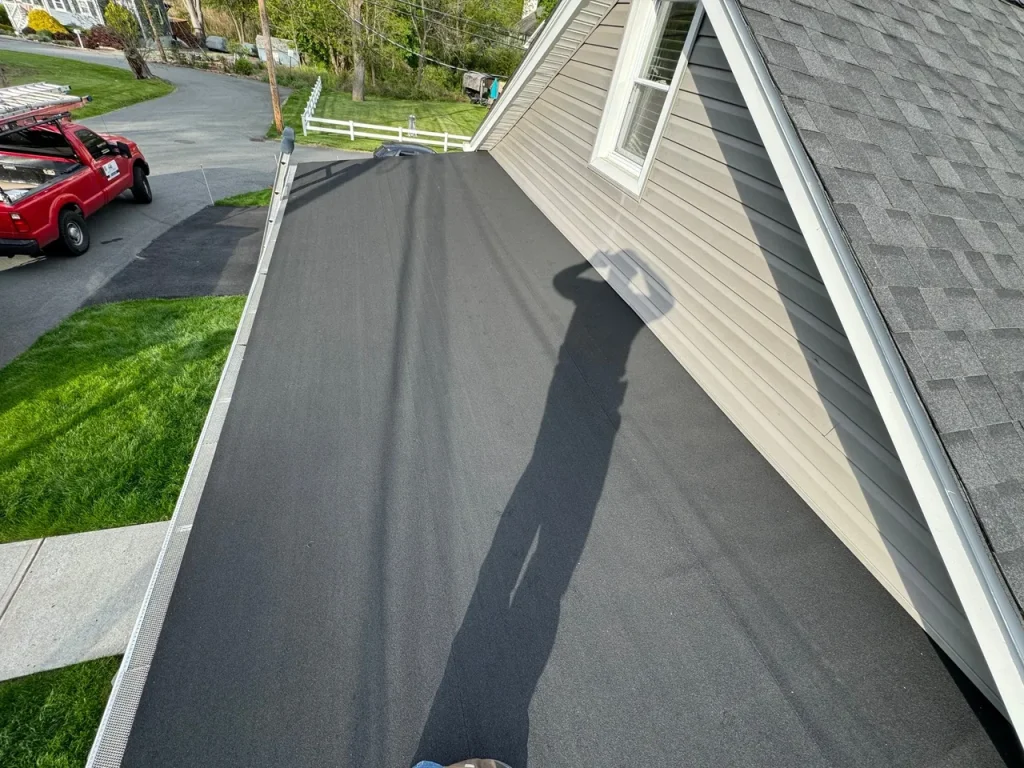
A roof rarely fails all at once. More often, it starts with one cracked tile near a valley, a shingle tab lifted by wind, or a patch of granule loss that looks minor from the ground. Homeowners put off the repair because the stain on the ceiling has not spread, or because the damage seems too small to justify calling anyone out. Then the first hard rain hits, water finds the weakness, and a straightforward fix turns into interior drywall work, insulation replacement, and sometimes rotten decking.
That pattern is common because roofing problems hide their seriousness well. A roof can look mostly intact and still be taking on water. I have seen homes with only three broken concrete tiles leak badly because the underlayment beneath those tiles had also aged out. I have also seen asphalt shingle roofs with obvious cosmetic wear stay dry through an entire season because the vulnerable areas had not yet been exposed. The visible damage matters, but what matters more is where the damage is, how long it has been there, and what is happening underneath.
When people talk about Roof Repairs, cracked tiles and broken shingles usually sound like separate issues, and in practice they are. Tile systems and shingle systems fail differently, are repaired differently, and age at different rates. The judgment call is not simply whether to patch the visible break. It is whether the surrounding roof area still has enough life left to justify a local repair, or whether the damage is a symptom of a roof section nearing the end of its serviceable life.
Why small breaks become expensive
Water is patient. It does not need a large opening. On a pitched roof, wind-driven rain can move sideways under laps and around flashings. On a tile roof, the tile itself is the first defense, but not the only one. Once a tile cracks, slips, or breaks, the felt or synthetic membrane below takes more punishment than it was meant to handle continuously. If that underlayment is ten or fifteen years old, the extra exposure often reveals existing brittleness.
Shingles behave a little differently. A missing tab or torn corner may not leak on a calm, light rain. Add wind, leaf debris, or ice damming in colder regions, and the defect becomes a water entry point. The surrounding shingles can also loosen because the same wind event that damaged one piece likely stressed the ones nearby. By the time a homeowner notices a stain, the leak path may have started several feet upslope.
There is also the issue of movement. Roofs expand in heat and contract at night. Tile roofs especially transmit stress where they bridge uneven battens, valleys, or ridge transitions. One cracked tile can be accidental, often from foot traffic. Several cracked tiles clustered in one area usually suggest movement, impact, or aging fasteners. With shingles, a few broken or creased pieces after a storm may indicate uplift across the slope, not just isolated damage.
Cracked roof tiles, what they usually mean
Tile roofs have a reputation for longevity, and that reputation is deserved, but the tile is only one part of the assembly. Clay and concrete tiles can last for decades. Underlayment, fasteners, battens, and flashing often do not last as long. That is why a tile roof with a handful of cracked pieces is sometimes a simple service call and sometimes the beginning of a larger discussion.
A cracked tile can happen for ordinary reasons. Someone stepped in the wrong place during gutter cleaning. A branch dropped in a storm. A freeze-thaw cycle exploited a hairline fracture that was already there. If the surrounding field of tile is stable, matching replacements are available, and the underlayment below is still sound, the repair is usually straightforward. A roofer lifts surrounding tiles carefully, swaps out the damaged pieces, checks the fastening, and confirms that the waterproof layer below has not been compromised.
The problem gets more complicated when cracked tiles are only the visible symptom. On older roofs, especially those around twenty years and beyond depending on climate and original materials, the tile may still look decent while the underlayment has become dry, wrinkled, or torn. In those cases, replacing a few tiles is like changing one broken board on a deck with rotten joists underneath. The surface looks better, but the system has not been restored.
Matching also matters more than many homeowners expect. Concrete and clay tile profiles vary by manufacturer and era. The color may have faded unevenly over years of sun exposure. A repair can be made watertight without being visually perfect, but obtaining compatible replacement tiles takes planning. Salvage yards can help, though availability is unpredictable. If exact matches are impossible, a good contractor will usually pull less-visible tiles from the rear slope and place close matches where they are least noticeable.
Broken shingles and the bigger picture
Shingle roofs show their wear more openly than tile roofs. Curling edges, scuffed tabs, lost granules, dark algae streaks, and exposed fiberglass mat all tell part of the story. Broken shingles usually come from wind, age, impact, poor attic ventilation, or a mix of those factors.
Wind damage tends to leave clues. A shingle may crease where it folded back during uplift. Seal strips may have failed over a wider area than the one obvious missing piece. Fasteners might be placed too high from the original installation, which makes tabs more vulnerable in storms. On a newer roof, this kind of repair can be very effective if caught quickly. On an older roof, lifting adjacent shingles to insert replacements may crack the brittle surrounding ones. That is where experience counts. The repair is still possible in many cases, but it has to be done with a light touch and realistic expectations.
Impact damage is another category that gets misunderstood. Hail can bruise shingles without punching holes through them. Fallen limbs can break tabs cleanly. I once looked at a roof where the owner thought squirrels had damaged half a slope. The real culprit was a dead overhanging limb that scraped the shingles each time the wind shifted. The repair itself was modest. The expensive mistake would have been fixing the roof without trimming the tree.
Age-related shingle failure is often less dramatic and more widespread. When shingles become brittle, lose granules heavily, and stop sealing properly, isolated patching buys limited time. The roof might still be repairable if the damage is confined to one exposure zone, such as a south-facing slope that takes the worst sun. But if brittleness is consistent across the roof, piecemeal work usually becomes repetitive and poor value.
The first inspection should answer three questions
Before anyone talks price, materials, or timing, the inspection should settle three basic questions. Where is the roof open, how far has water traveled, and is the surrounding roof area Roof Repairs still repairable in a durable way. That sounds simple, but it changes everything.
A proper inspection starts outside and then moves into the attic or ceiling cavity if access exists. Looking only from the ground is not enough. From the roof surface, a contractor should assess the damaged pieces, nearby flashings, penetrations, valleys, ridges, and the condition of adjacent materials. From inside, they should look for stained sheathing, moldy insulation, rusted fasteners, or daylight at transitions. Leaks often appear downslope from where water entered, and stains sometimes represent an old event rather than an active one.
Homeowners can do a basic visual check from the ground with binoculars, but climbing on the roof without proper footing and fall protection is risky, especially on tile. Concrete and clay tiles crack under poorly placed weight. Even asphalt roofs can be dangerous when dusty, hot, or steep.
When a local repair makes sense
A local repair is usually the right choice when the roof system still has meaningful life left, the damage is contained, and compatible materials are available. That includes many storm-related incidents and a surprising number of maintenance issues. If the underlayment, decking, and flashing around the damaged section remain sound, targeted work can restore performance effectively.
Here are the situations where repairs tend to offer good value:
- the roof is relatively young or in solid overall condition
- damage is limited to a defined area, not spread across multiple slopes
- leaks have been caught early, before widespread rot or mold develops
- replacement materials can be matched closely enough for both fit and function
- flashings and adjacent components remain serviceable
What matters in each of those cases is not just the visible patch, but the integrity of the field around it. A repair should leave the surrounding area better secured than it was before, not merely swap one broken piece for another.
When the repair is only buying time
There is nothing wrong with a temporary or limited-scope repair if everyone is honest about its role. Sometimes a homeowner needs six months to budget for larger work. Sometimes the roof is due for replacement, but a specific leak needs to be controlled immediately before the rainy season. In that context, a repair can be the smart move.
The trouble starts when a roof that is at the end of its life gets treated as though it only has one isolated defect. On tile roofs, repeated tile breakage combined with worn underlayment usually points toward re-roofing that section or the full roof, depending on layout and age consistency. On shingle roofs, widespread brittleness, extensive granule loss, and multiple past patches often mean repairs will keep chasing new weak points.
A good contractor will say this plainly. They should be willing to perform a stopgap repair if asked, but they should also explain the odds. If the answer sounds too absolute, either overly optimistic or aggressively upselling, I would ask more questions.
Repair methods differ more than most homeowners realize
Tile repair is precise work. The damaged tile has to be removed without breaking the surrounding ones. Depending on the installation method, the tile may be nailed, clipped, mortared, or foam-set in certain areas. Valleys, hips, and ridges often require extra care because adjacent waterproofing details are easy to disturb. If the membrane below is torn, the repair may involve replacing a small underlayment section and integrating it correctly so water still sheds downhill.
Shingle repair is more forgiving in some ways and less forgiving in others. It is often faster to replace a few shingles, but matching color and exposure can be difficult on weathered roofs. Sealant placement matters. Nails need to hit the correct line. In cooler weather, hand-sealing may be necessary because replacement shingles do not always bond quickly. In hot weather, the opposite problem can happen, shingles scuff easily and foot traffic marks become visible.
Flashing is often the deciding detail. A cracked tile near a chimney is one problem. A failed chimney flashing hidden beneath that tile is another. A missing shingle at a plumbing vent might be easy to replace, but a split neoprene boot means the repair should include that boot. Many leaks blamed on field materials are actually flashing failures at walls, skylights, vents, and transitions.
Costs, and why simple price comparisons go wrong
Homeowners naturally want a per-tile or per-shingle price. Roofing rarely works that neatly. Access, slope, roof height, material availability, and the nature of the surrounding assembly all shape the final number. Replacing two broken shingles on a walkable one-story roof is not the same job as replacing two cracked tiles near a steep second-story valley.
For asphalt shingle repairs, modest localized fixes may be a few hundred dollars in some markets, while more involved leak tracing and replacement work can climb well beyond that. Tile repairs often cost more per visit because they demand slower handling, specialized experience, and sometimes sourcing uncommon replacement pieces. If underlayment repairs are needed beneath tile, labor rises quickly because the roof has to be opened carefully and reset properly.
The cheapest bid is often the least diagnostic. If one company quotes a very low number after a five-minute look from the driveway, and another spends an hour inspecting the roof, attic, and flashing details, those are not equivalent estimates. One is a guess. The other is a scope of work.
What to ask before authorizing the work
Most roofing disputes come from mismatched assumptions. The homeowner thinks the leak source will be definitively found. The contractor thinks they are addressing the most likely visible failure. The homeowner expects a perfect color match. The contractor assumes functional repair matters more than appearance. Those gaps are avoidable if the discussion is specific.
Ask what exactly is being replaced, what nearby components will be checked, whether the quote includes flashing work if needed, and how the repair will be tested or documented. On tile roofs, ask whether replacement tiles are exact matches, close matches, or salvaged substitutes. On shingle roofs, ask whether adjacent shingles are brittle and could crack during the process. That is not always a sign of poor workmanship, sometimes it is simply the reality of aged material.
A useful estimate should also state what is excluded. If interior drywall damage is present, that may be outside the roofer’s scope. If hidden rotten decking is discovered after opening the roof, the estimate should explain how additional repairs are handled.
Temporary protection while you wait for repair
If you cannot get immediate service, quick protective steps can prevent a small problem from spreading. The key is to reduce water exposure without creating a bigger hazard.
- move valuables and furniture away from the leak area indoors
- place containers under active drips and relieve bulging ceiling paint carefully if water is trapped
- photograph visible damage outside and inside for records
- clear obvious debris from gutters and downspouts if it can be done safely from the ground or ladder
- use a professional tarp service rather than climbing onto a damaged roof yourself
The last point matters. Emergency tarping can save a ceiling, but improvised tarps installed without proper anchoring often tear loose and can worsen damage or cause injury.
Seasonal timing affects results
Roof repairs are not all-weather work, even though emergencies happen in every season. Adhesives on shingles bond best within manufacturer temperature ranges. Tile handling in extreme heat can be rough on both material and workers. Wet roofs are dangerous and harder to inspect accurately. In freezing climates, sealants, underlayment flexibility, and even deck moisture content affect how durable a repair will be.
That does not mean winter repairs cannot be done. They can, and they often must. It means the methods may change. A contractor may use hand-sealing on shingles, stage a temporary weatherproofing step, or schedule a return visit to confirm performance after conditions improve. On tile roofs, certain mortar-based details should not be rushed in poor weather.
Insurance, storm claims, and ordinary wear
Cracked tiles and broken shingles sometimes involve insurance, but not always. Sudden storm damage may be covered depending on the policy and cause. General aging, deferred maintenance, and wear usually are not. The line between those categories can be disputed, especially on roofs that were already older before a storm.
Documentation helps. Photos taken soon after the event, notes on date and weather conditions, and a professional inspection all make the process cleaner. It is wise to avoid exaggerating the damage. If a roof needs replacement due to age, calling every flaw a storm event can complicate matters and weaken credibility. The strongest claims are specific and well-supported.
A repair that lasts depends on maintenance after the fact
Once a roof has been repaired, the next goal is to keep the same failure from recurring. Overhanging trees should be trimmed back. Gutters should move water freely. Attic ventilation should be checked if heat buildup is aging shingles prematurely. Foot traffic should be minimized, particularly on tile. Satellite installers, solar crews, painters, and anyone else who works near the roof should treat it as a finished weather barrier, not a platform.
One of the most useful habits is simply looking up after major weather. You do not need to inspect like a roofer. Stand back from the house and notice changes. Is there a tile out of line that was straight before? Is a patch of shingles suddenly a different color because granules were stripped away? Did a branch strike the roof edge? A ten-second observation after a storm can catch damage before it becomes a leak.
Roof Repairs for cracked tiles and broken shingles are rarely about the broken piece alone. They are about understanding the condition of the system around it, choosing the right level of intervention, and doing the work with materials and methods that respect how that roof was built. When the diagnosis is careful and the repair scope is honest, even a frustrating roof leak can return to being what it should be, a solved problem overhead rather than an unfolding one inside the house.
Royalty Exteriors
151 NJ-10 Suite 103A
Succasunna, NJ 07876, United States
+1 973-333-7234
FAQ About Roof Repairs
Can you fix a roof leak without replacing the whole roof in Succasunna,NJ?
Often, a localized leak can be repaired without replacing the entire roof, depending on its cause and the condition of the surrounding materials. Damaged shingles, flashing, or a roof penetration may need targeted work. Royalty Exteriors offers roof repairs for leaks, storm damage, and shingle issues. An inspection is needed to determine the appropriate scope.
What is considered a minor roof leak?
A leak may be considered minor when the damage is limited to a small area and the surrounding roofing remains sound. A small ceiling stain alone does not establish the extent of the problem because water can travel before becoming visible. Have the source and any concealed damage assessed promptly.
Is it better to repair or replace a leaky roof?
The decision depends on the roof's age, overall condition, leak source, extent of damage, and history of previous repairs. A localized problem on an otherwise serviceable roof may be suitable for repair. Widespread deterioration or recurring leaks may justify considering replacement. Ask for an inspection and a written explanation of the recommended work before deciding.